Conventional vs. organic farming
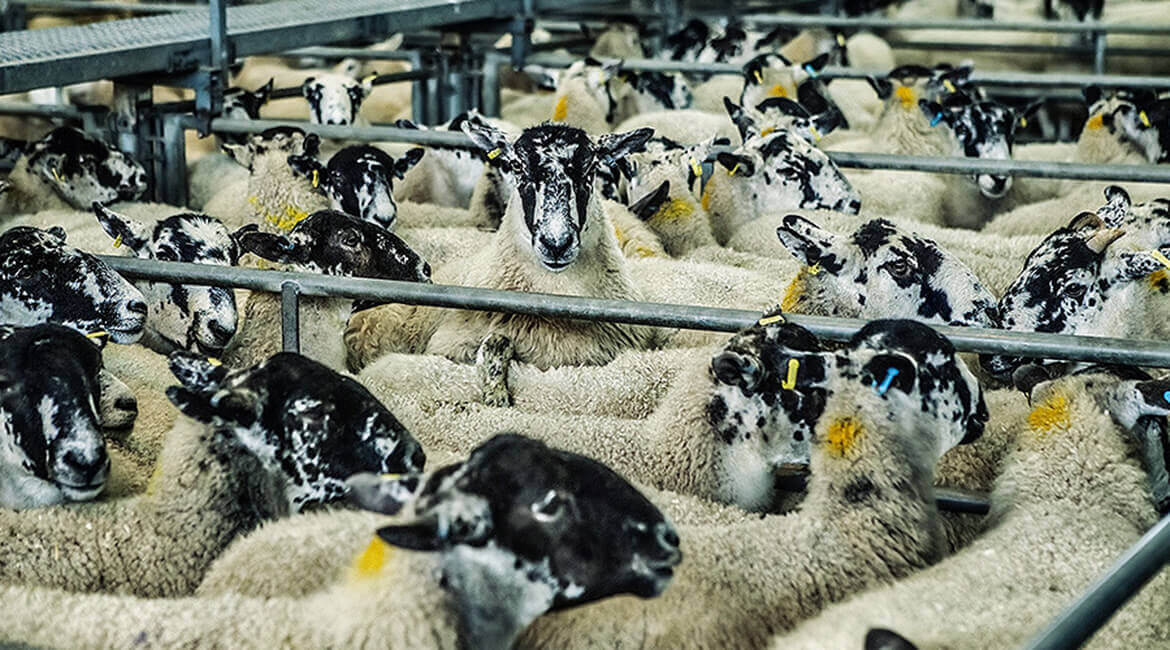
Organic farming practices are designed to encourage soil and water conservation and reduce pollution. Farmers who grow organic produce and meat don’t use conventional methods to fertilize, control weeds or prevent livestock disease. For example, rather than using chemical weedkillers, organic farmers may conduct more sophisticated crop rotations and spread ...
Organic or not? Check the label
Statistics show that many consumers are looking for products bearing these organic logos and labels when shopping for groceries or buying a meal in a restaurant or canteen. Lorem ipsum dolor sit amet, consectetur adipisicing elit, sed do eiusmod tempor incididunt ut labore et dolore magna aliqua. Ut enim ad ...
Interesting Facts About Imported Food
Imported food can add variety to our meals, introducing us to flavors and ingredients from around the world. However, there are several important aspects to keep in mind. These products often travel long distances before reaching our plates, which not only diminishes their freshness but also significantly increases their carbon ...
Open farms and client relations
With a growing desire to know the progression of their food “from farm to fork”, many consumers are starting to develop relationships with “their“ organic farm. As a result, many organic farms sell directly through box schemes, farmers’ markets and farm shops, or even offer tourist-oriented programmes on their farms. ...
What is organic farming?
Organic farming is an agricultural system that seeks to provide you, the consumer, with fresh, tasty and authentic food while respecting natural life-cycle systems. Lorem ipsum dolor sit amet, consectetur adipisicing elit, sed do eiusmod tempor incididunt ut labore et dolore magna aliqua. Ut enim ad minim veniam, quis nostrud ...
Eat with the Seasons: A Natural Way to Health and Sustainability

Organic farming practices are designed to encourage soil and water conservation and reduce pollution. Farmers who grow organic produce and meat don’t use conventional methods to fertilize, control weeds or prevent livestock disease. For example, rather than using chemical weedkillers, organic farmers may conduct more sophisticated crop rotations and spread ...
Power of Pollinators
Bees, butterflies, and other pollinators are tiny heroes of organic farming. They help crops grow, increase yields, and keep ecosystems in balance—all without synthetic chemicals. Their natural role in transferring pollen is essential to the success of fruits, vegetables, and flowering plants. By protecting pollinators, organic farming not only boosts ...
Impact of Eco-Tourism
Eco-tourism is more than just a trend—it’s a movement toward responsible and sustainable travel. By embracing eco-tourism, travelers are not only enjoying the beauty of untouched landscapes and authentic cultures, but also actively contributing to their preservation. This form of tourism emphasizes low-impact travel, the use of local resources, and ...
Organic Farming & Soil Health
Organic farming isn’t just good for what’s on your plate—it’s also a game changer for the soil beneath your feet. By avoiding synthetic fertilizers and pesticides, organic practices allow soil to retain its natural structure, fertility, and microbial life. Healthier soil means better water retention, increased biodiversity, and stronger crops. ...