
Taste the Journey: Why Local Food Matters
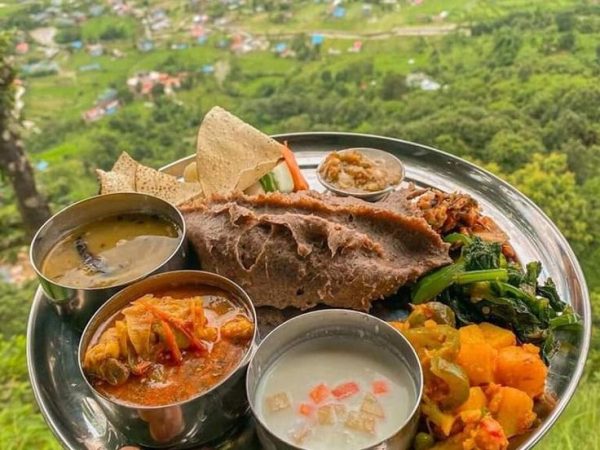
Ever wonder why food tastes better on a farm? It’s because it hasn’t traveled thousands of miles to get to your plate. Local food is harvested at its peak, bursting with flavor and nutrients. It hasn’t been frozen, packaged, or stored for weeks—it’s fresh from the earth, often the same ...
From Soil to Soul: The Power of Organic Living

In a world dominated by convenience and speed, returning to organic roots is more than a lifestyle—it’s a reconnection with the earth. Choosing organic means choosing food that’s free from harmful chemicals, grown with love, and harvested with care. It’s not just about what we eat, but how that food ...
Conscious Eating: A Respectful Way to Nourish Life
Lorem ipsum dolor sit amet, consectetur adipisicing elit, sed do eiusmod tempor incididunt ut labore et dolore magna aliqua.Lorem ipsum dolor sit amet
Eating is something we all do every day, but doing it consciously—choosing local, organic, and sustainably grown food—turns a routine act into a meaningful one. It shows appreciation for the natural environment, the hands that nurture the land, and our own health. At a place like this, where food is ...
The Secret Life of Herbs: Nature’s Hidden Healers
Behind every leaf and root lies ancient wisdom. Herbs like turmeric, tulsi, lemongrass, and mint are not only flavorful but also healing. They have been used for centuries in Ayurvedic and natural medicine to boost immunity, calm the mind, and support well-being. By growing and using local herbs, we tap ...
The Rhythm of Nature: Why Slow Living Matters
Fast-paced city life often disconnects us from the natural world. But in the countryside, time slows down, and nature sets the rhythm. From waking to birdsong to resting under a sky full of stars, slow living encourages presence, peace, and appreciation. It’s a reminder that life’s richest moments come not ...
Conventional vs. organic farming
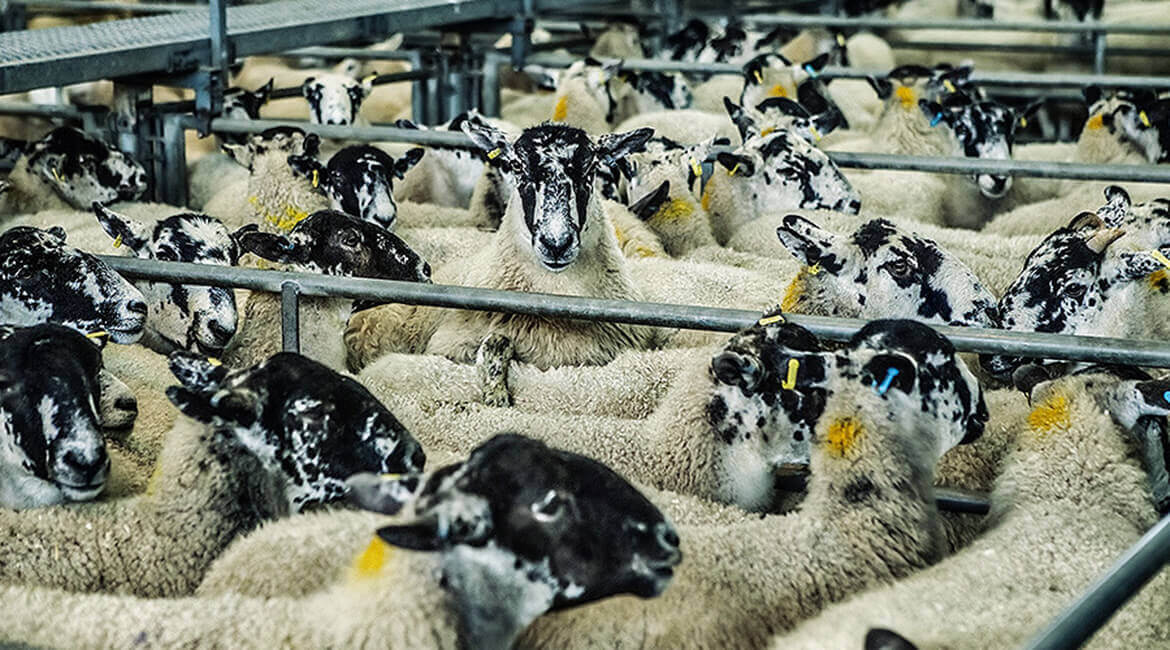
Organic farming practices are designed to encourage soil and water conservation and reduce pollution. Farmers who grow organic produce and meat don’t use conventional methods to fertilize, control weeds or prevent livestock disease. For example, rather than using chemical weedkillers, organic farmers may conduct more sophisticated crop rotations and spread ...
Freshness You Can Taste
Freshness isn’t just a promise—it’s a guarantee. Produce harvested at the perfect moment of ripeness ensures that every fruit, vegetable, and herb retains its natural flavor, texture, and nutritional goodness. Unlike imported foods, which often require early picking and long transit times that can diminish quality, a farm-to-table approach means ...
Supporting Local, Sustainable Agriculture
Choosing farm-to-table dining is more than just a culinary choice — it’s a commitment to environmental responsibility and community support. By sourcing ingredients directly from local farmers, we reduce the carbon footprint associated with long-distance transportation, excessive packaging, and refrigeration. This practice helps preserve natural resources and reduces pollution. At ...
Open farms and client relations
With a growing desire to know the progression of their food “from farm to fork”, many consumers are starting to develop relationships with “their“ organic farm. As a result, many organic farms sell directly through box schemes, farmers’ markets and farm shops, or even offer tourist-oriented programmes on their farms. ...