Year: March 16, 2017

Conventional vs. organic farming

Organic farming practices are designed to encourage soil and water conservation and reduce pollution. Farmers who grow organic produce and meat don’t use conventional methods to fertilize, control weeds or prevent livestock disease. For example, rather than using chemical weedkillers, organic farmers may conduct more sophisticated crop rotations and spread mulch or manure to keep weeds at bay. Lorem ipsum dolor sit amet, consectetur adipisicing elit, sed do eiusmod tempor incididunt ut labore et dolore magna aliqua. Ut enim ad minim veniam, quis nostrud exercitation ullamco laboris nisi ut aliquip ex ea commodo consequat. Duis aute irure dolor in reprehenderit

Organic or not? Check the label

Statistics show that many consumers are looking for products bearing these organic logos and labels when shopping for groceries or buying a meal in a restaurant or canteen. Lorem ipsum dolor sit amet, consectetur adipisicing elit, sed do eiusmod tempor incididunt ut labore et dolore magna aliqua. Ut enim ad minim veniam, quis nostrud exercitation ullamco laboris nisi ut aliquip ex ea commodo consequat. Duis aute irure dolor in reprehenderit in voluptate velit esse cillum dolore eu fugiat nulla pariatur. Excepteur sint occaecat cupidatat non proident, sunt in culpa qui officia deserunt mollit anim id est laborum. Lorem ipsum dolor

Interesting Facts About Imported Food

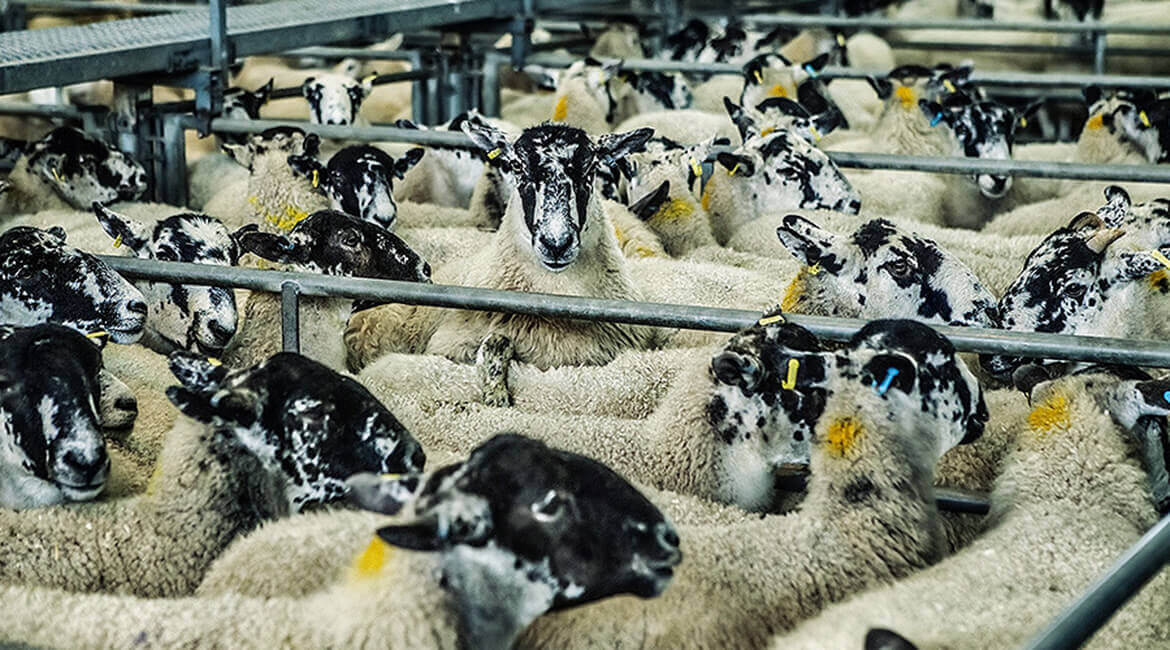
Imported food can add variety to our meals, introducing us to flavors and ingredients from around the world. However, there are several important aspects to keep in mind. These products often travel long distances before reaching our plates, which not only diminishes their freshness but also significantly increases their carbon footprint. To withstand lengthy shipping and storage, many imported foods are treated with preservatives or chemicals that can affect their nutritional value and overall quality. Moreover, the heavy reliance on imported goods can impact local farmers by reducing the demand for locally grown produce. This not only affects their livelihoods

Open farms and client relations

With a growing desire to know the progression of their food “from farm to fork”, many consumers are starting to develop relationships with “their“ organic farm. As a result, many organic farms sell directly through box schemes, farmers’ markets and farm shops, or even offer tourist-oriented programmes on their farms. Lorem ipsum dolor sit amet, consectetur adipisicing elit, sed do eiusmod tempor incididunt ut labore et dolore magna aliqua. Ut enim ad minim veniam, quis nostrud exercitation ullamco laboris nisi ut aliquip ex ea commodo consequat. Duis aute irure dolor in reprehenderit in voluptate velit esse cillum dolore eu fugiat

What is organic farming?

Organic farming is an agricultural system that seeks to provide you, the consumer, with fresh, tasty and authentic food while respecting natural life-cycle systems. Lorem ipsum dolor sit amet, consectetur adipisicing elit, sed do eiusmod tempor incididunt ut labore et dolore magna aliqua. Ut enim ad minim veniam, quis nostrud exercitation ullamco laboris nisi ut aliquip ex ea commodo consequat. Duis aute irure dolor in reprehenderit in voluptate velit esse cillum dolore eu fugiat nulla pariatur. Excepteur sint occaecat cupidatat non proident, sunt in culpa qui officia deserunt mollit anim id est laborum. Lorem ipsum dolor sit amet, consectetur adipisicing

Eat with the Seasons: A Natural Way to Health and Sustainability

Organic farming practices are designed to encourage soil and water conservation and reduce pollution. Farmers who grow organic produce and meat don’t use conventional methods to fertilize, control weeds or prevent livestock disease. For example, rather than using chemical weedkillers, organic farmers may conduct more sophisticated crop rotations and spread mulch or manure to keep weeds at bay. Lorem ipsum dolor sit amet, consectetur adipisicing elit, sed do eiusmod tempor incididunt ut labore et dolore magna aliqua. Ut enim ad minim veniam, quis nostrud exercitation ullamco laboris nisi ut aliquip ex ea commodo consequat. Duis aute irure dolor in reprehenderit

Power of Pollinators

Bees, butterflies, and other pollinators are tiny heroes of organic farming. They help crops grow, increase yields, and keep ecosystems in balance—all without synthetic chemicals. Their natural role in transferring pollen is essential to the success of fruits, vegetables, and flowering plants. By protecting pollinators, organic farming not only boosts food production but also supports biodiversity. Creating a pollinator-friendly environment means healthier farms and a more sustainable future.

Impact of Eco-Tourism

Eco-tourism is more than just a trend—it’s a movement toward responsible and sustainable travel. By embracing eco-tourism, travelers are not only enjoying the beauty of untouched landscapes and authentic cultures, but also actively contributing to their preservation. This form of tourism emphasizes low-impact travel, the use of local resources, and meaningful interactions with host communities. When travelers choose eco-tourism, they help generate income for rural and indigenous communities, encouraging them to protect natural habitats instead of exploiting them. It also promotes environmental awareness, inspiring both visitors and locals to adopt more sustainable lifestyles. Whether it’s staying in eco-lodges, eating locally

Organic Farming & Soil Health

Organic farming isn’t just good for what’s on your plate—it’s also a game changer for the soil beneath your feet. By avoiding synthetic fertilizers and pesticides, organic practices allow soil to retain its natural structure, fertility, and microbial life. Healthier soil means better water retention, increased biodiversity, and stronger crops. Over time, organic farming helps restore degraded land, reduce erosion, and promote a more balanced ecosystem. It’s a win for both farmers and the planet.

Taste the Journey: Why Local Food Matters

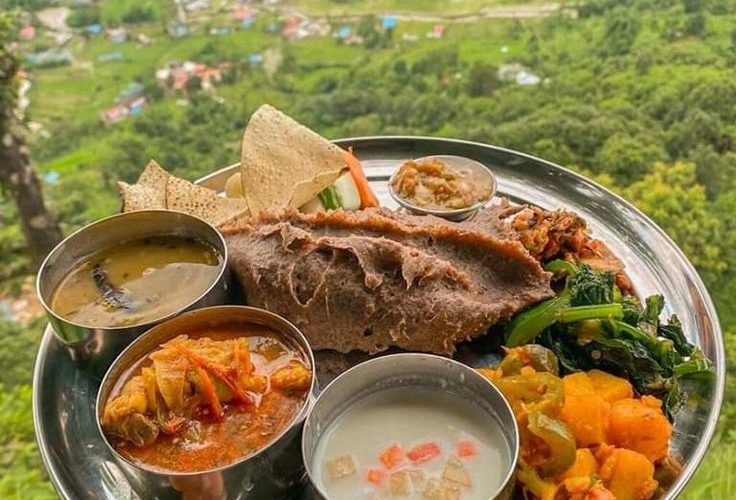
Ever wonder why food tastes better on a farm? It’s because it hasn’t traveled thousands of miles to get to your plate. Local food is harvested at its peak, bursting with flavor and nutrients. It hasn’t been frozen, packaged, or stored for weeks—it’s fresh from the earth, often the same day. But the benefits go beyond your taste buds. Supporting local farms helps keep traditional farming alive, boosts rural economies, and reduces the carbon footprint of your meals. When you choose local, you’re not just eating—you’re investing in your health, your community, and a more sustainable future. It’s not just